
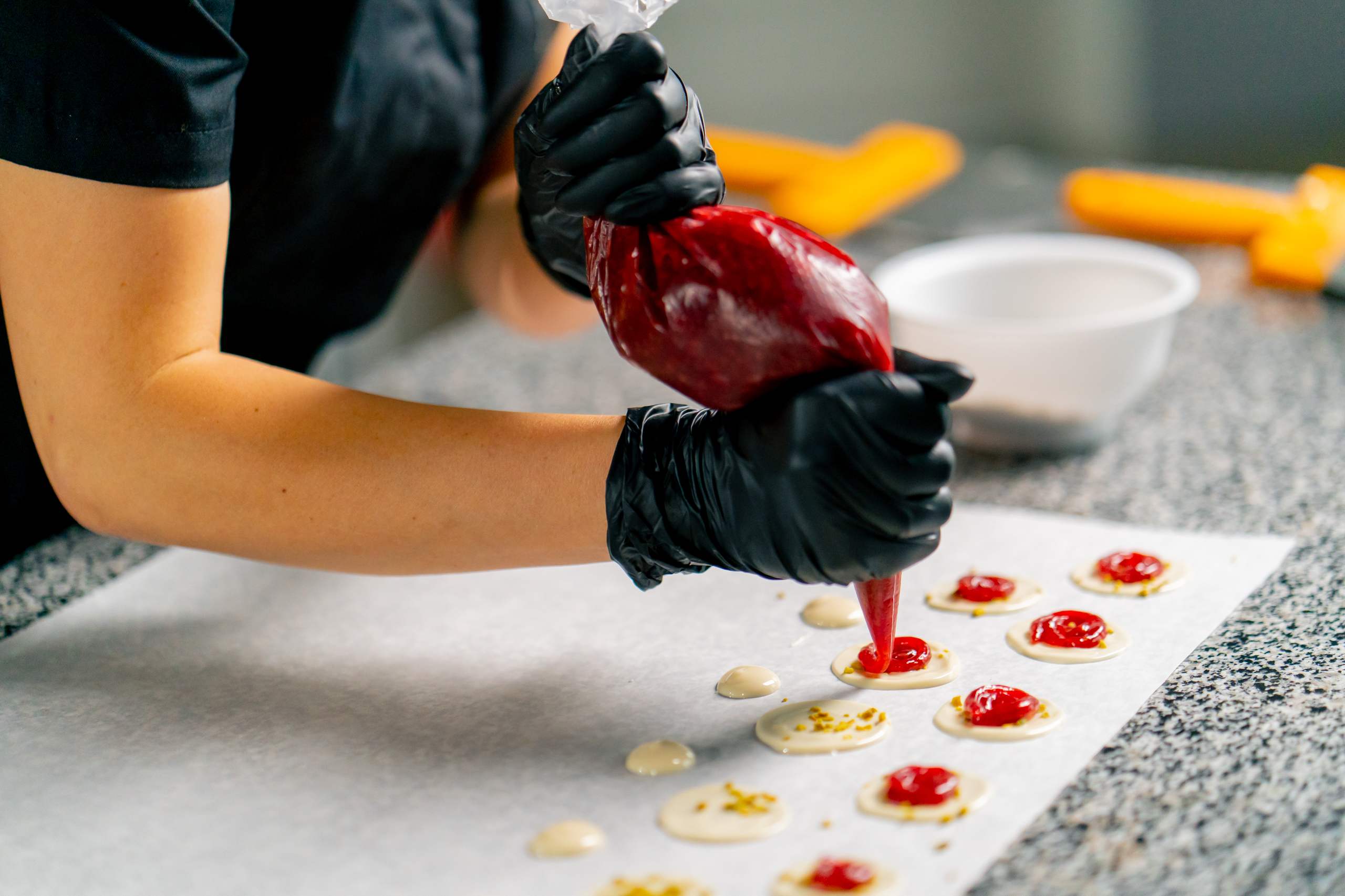
At first glance, pastry might seem like it’s purely an act of creativity. But the truth is, it’s grounded in structure, discipline, and a lot of repetition. The path to professional-level desserts always starts with building a strong foundation on basic techniques, and it is only once that foundation is set that a chef can truly be creative. In modern pastry, creativity is born from a balance of control and freedom.
The basics is usually where the process starts. This would include learning techniques like dough preparation, baking time, ingredients reaction and temperature control. These elements are the foundations of any pastry. And it would take years for any chef to master these basic techniques to a point where they can be creative with their design and concept in any desserts.
As these foundations are set, creative freedom begins to emerge. Pastry becomes more of a creative outlet, where the chef can use their own vision to develop unique flavor combinations, play with textures, or design presentation techniques. Here, the personal style of the chef starts to stand out. The same ingredients can result in a completely different outcome, depending on how a chef chooses to express their creative ideas.
In addition, visual appeal is also becoming an important part of pastry techniques. Pastry, once a culinary art, is not hidden in a kitchen anymore. It has now become the subject of images which are shared across social media all over the world. Because of that, many pastry chefs are now designing desserts that appeal to the eyes. Every aspect of a design, from shape, color, balance and contrast, plays a role in how the finished product is perceived and enjoyed.
On the other hand, technology is also shaping the way pastry skills are learned. Online learning allows students to progress at their own pace by learning at their own leisure time, and repeat what they have learned if needed. This helps a student build confidence by allowing them to learn in their own pace and without the pressure of a working kitchen environment.
However, it would take a lot of repetition and experience for a chef to master a skill. Mistakes are also part of the process, and helps a chef to understand how an ingredient reacts to an ingredient, as well as how adjustments would affect the outcome. With a lot of practice, a chef would then learn how to “feel” what is needed for their dish without strictly following the steps and ratios.
At the end, pastry is all about transformation. Flour, sugar and butter become something much more through a chef’s skill and creativity. By understanding what pastry technique is really about, and by continuously pushing on the limits of the craft, a chef becomes more creative and able to come up with unique and innovative concepts.
This is exactly why we created SweetFormArt, so we can help a student or aspiring chef develop their skills so that they can develop their unique voice in modern pastry.